
Ancient plant wisdom, modern science
We are a New Zealand–Peruvian family business with our hearts in two homes. Every year we return to the Andes and the Amazon to work hand in hand with the farming families who grow our maca and cacao, sharing their land, their ceremonies and the knowledge passed down through generations. Together we preserve this ancestral wisdom and fuse it with modern science, so it can help you reconnect with your food, with nature and with your own health.
Shop the range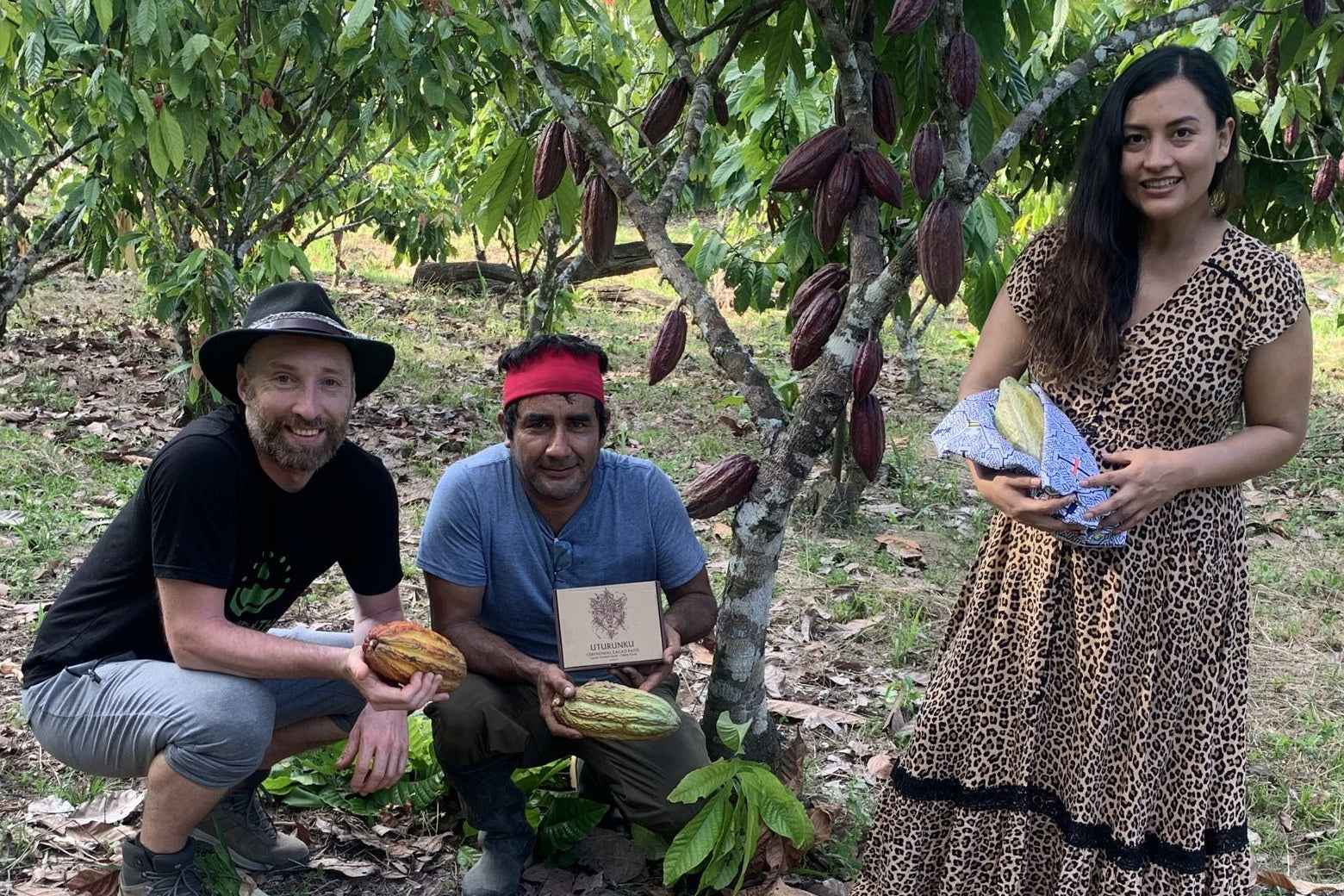
Three things guide everything we make
Farm to table
Plenty of brands say they work directly with farmers, yet most have never even visited their farms. As a company with indigenous roots, we actually go there. Every year we spend time in Peru on the farms, joining our farmers at harvest and learning their ancestral traditions first-hand. They aren’t suppliers to us, they’re friends we know by name, and every product we make is 100% traceable to the tree.
Researched
Our plant medicine research programme starts with the biochemistry, mapping the macamides in Peruvian maca and the active metabolites in ancestral cacao to substantiate their traditional uses. Through our established partnership with the University of Otago, we take this research further: our Bean to Brain project explores cacao and mental health, studying how its compounds act on the brain, while our maca research investigates maca and the endocannabinoid system.
Shared knowledge
We run workshops and events around New Zealand, online courses, and retreats in Peru. We don’t just share the ancestral traditions and wisdom of these plants, we also explore the neuroscience behind them: how they work in the brain and body. Bringing both together helps people truly understand the plants and manage their own health more effectively.
Our farmers and makers
The people who grow and craft what we share with you.
Florencio and Yraida
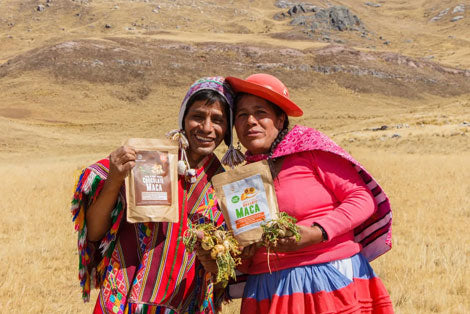
Maca experts who grow premium medicinal maca using ancestral organic farming techniques. They are among the few traditional farmers in Peru who still keep the ancient spiritual practices surrounding maca, and every batch is made with love, care and intention.
Arturo
Arturo grows our Cacao Shansho in rich, organic agroforestry in the Ucayali region of the Peruvian Amazon, alongside fellow farmer Hugo. His cacao is a unique ancestral genetic variety known as Purus, native to the Shipibo tribes of the region. It is a delicate cacao with unique biochemical properties, and it is washed rather than fermented to help lock in and preserve its key bioactive compounds.
Arturo Perez
Raised in Jaen, northern Peru, the birthplace of cacao, Arturo crafts ancestral cacao on his farm near Tarapoto. His cacao is an ancestral blend descended from the Marañón genetic variety. He named it Uturunku, the jaguar, in honour of the Chavín tribe and their Temple of the Jaguar.
Rolando
Rolando’s farm is in Tocache, San Martín, known as the land of the Kichwa, where he grows Criollo cacao, a native variety of the region. His farm focuses on preserving ancestral traditions, and he is pioneering the return of organic, fair-traded cacao in an area once heavily affected by the illegal cocaine industry.
Juan Alonso
For over 56 years Juan Alonso has hand-crafted molinillos, traditional wooden cacao whisks, in Santa Maria del Rayon, Mexico. Like his father and grandfather before him, he and his sons keep this ancient cacao tradition alive.
Corin and Sally
Husband and wife co-founders Corin, from New Zealand, and Sally, from Peru, share a mission to fuse ancestral wisdom with modern science. Together they act as a bridge between the plant medicines and cosmovision of Peru and modern-day consumers in New Zealand. Both left their corporate careers to create a social enterprise that brings change, credibility, authenticity, reverence and connection to the natural health industry.
The people behind Seleno Health
A family business between New Zealand and Peru.
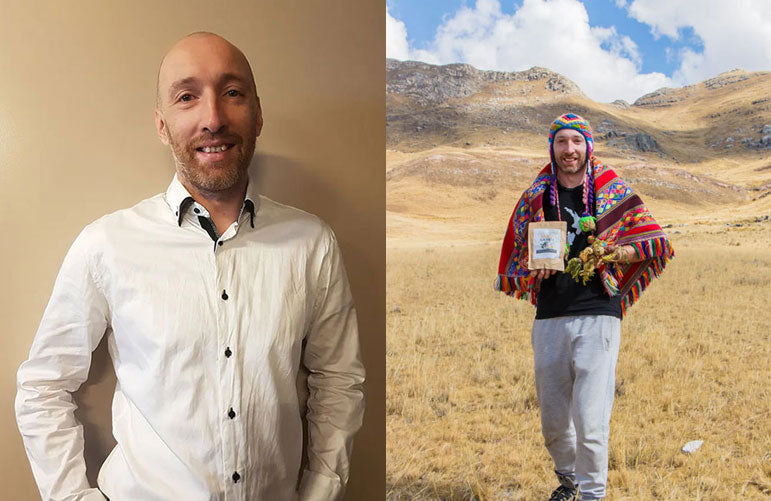
Dr Corin Storkey
Originally from New Zealand, Corin is a medicinal chemist, researcher, husband to Sally, father of their two young girls and co-founder of Seleno Health. With over 25 years of academic and industry experience, including a PhD in medicinal chemistry from the University of Melbourne, Corin specialises in the neurochemistry of cacao, maca, cannabinoids and other Andean plant medicines.
He co-supervises the University of Otago’s Bean to Brain cacao research project, leads our maca research and wider research bridging Andean and Amazonian plant medicines, mapping their bioactive compounds and therapeutic pharmacological effects. Trained with Mind Medicine Australia in Psychedelic-Assisted Therapy, he works at the intersection of the mind-body connection, neuroscience and ancestral plant wisdom.
Having overcome chronic fatigue syndrome himself through an integrative approach, Corin leads immersive retreats in Peru that bridge 7,000-year-old traditions with cutting-edge science. His workshops and teachings explore neuroplasticity, altered-state integration, the gut-brain axis, biohacking and conscious living, offering practical tools for deep transformation and modern wellbeing.
Sally Huapaya-Storkey
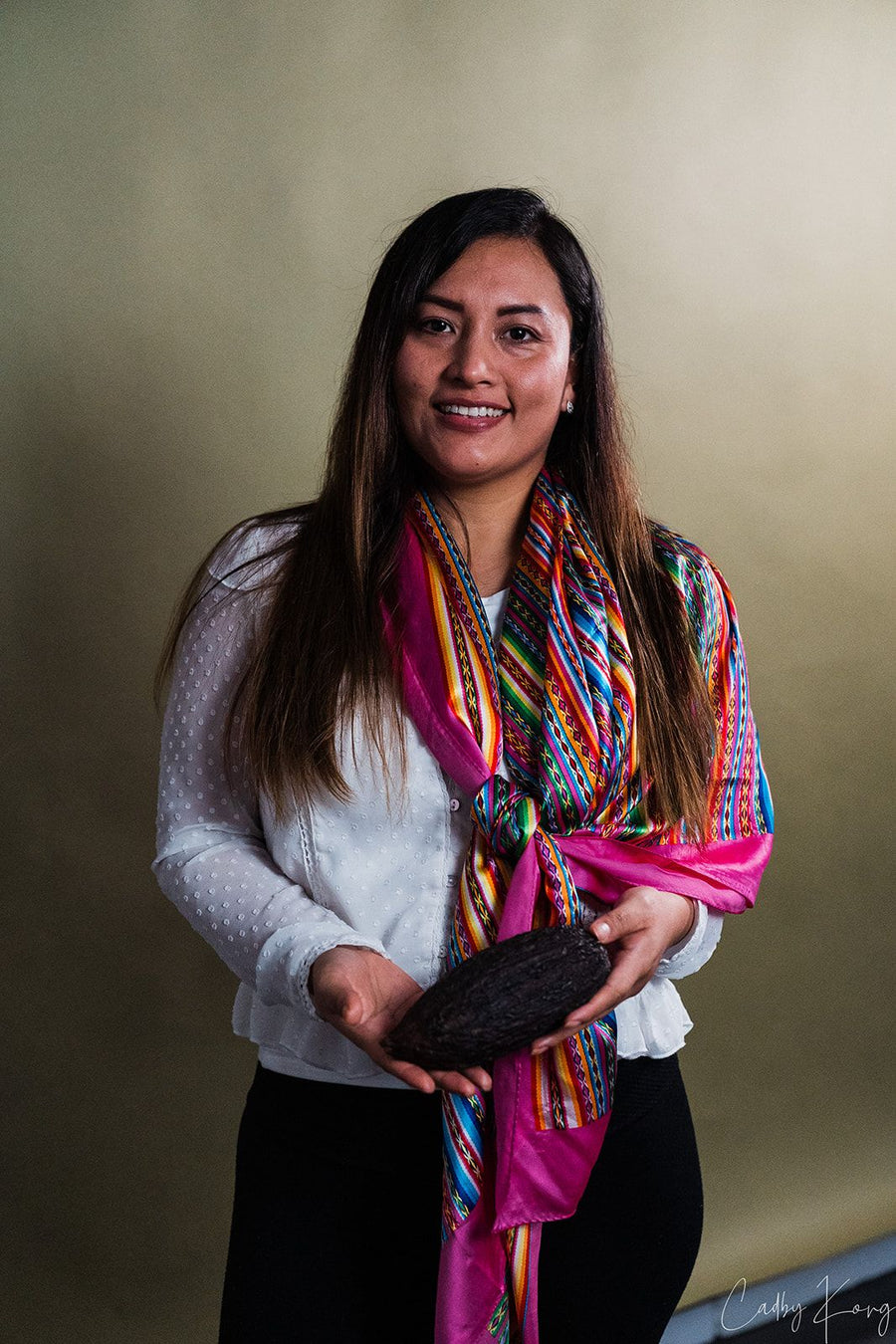
Originally from Peru, Sally is a mother of two young girls, wife to Corin, industrial engineer, cacao researcher, facilitator and co-founder of Seleno Health. Sally’s work carries plant medicines like cacao and maca beyond their Western packaging and back to their roots, honouring the knowledge, tools and hands that have carried them for generations.
Through Seleno Health, Sally co-supports a University of Otago PhD research programme, the Bean to Brain project, exploring cacao’s potential as a natural antidepressant. Her research brings ancestral wisdom and modern neuroscience together to understand how genetic varieties, and the tools and techniques used to prepare these plants, shape their effects on health.
Through traditional preparation, story and the rhythms of the feminine, Sally creates grounded, heart-led spaces where people can slow down, remember and come home to balance.
Grown by families, not factories
Our maca and cacao come from indigenous farming families in the Peruvian Andes and Amazon. We work with them directly, following their ancestral methods, and give back through our social responsibility programme.
Our social responsibility


