
Black Maca Benefits: What the Research Says
By Dr Corin Storkey, co-founder of Seleno Health · Updated November 2026
Black maca is the rarest colour of maca root, making up only around 10–15% of each harvest in the Peruvian Andes. Traditionally associated with strength, stamina and male vitality, it has also been studied more than the other colours for memory and male fertility. Here is what the research says about black maca, and how it compares with yellow and red maca.
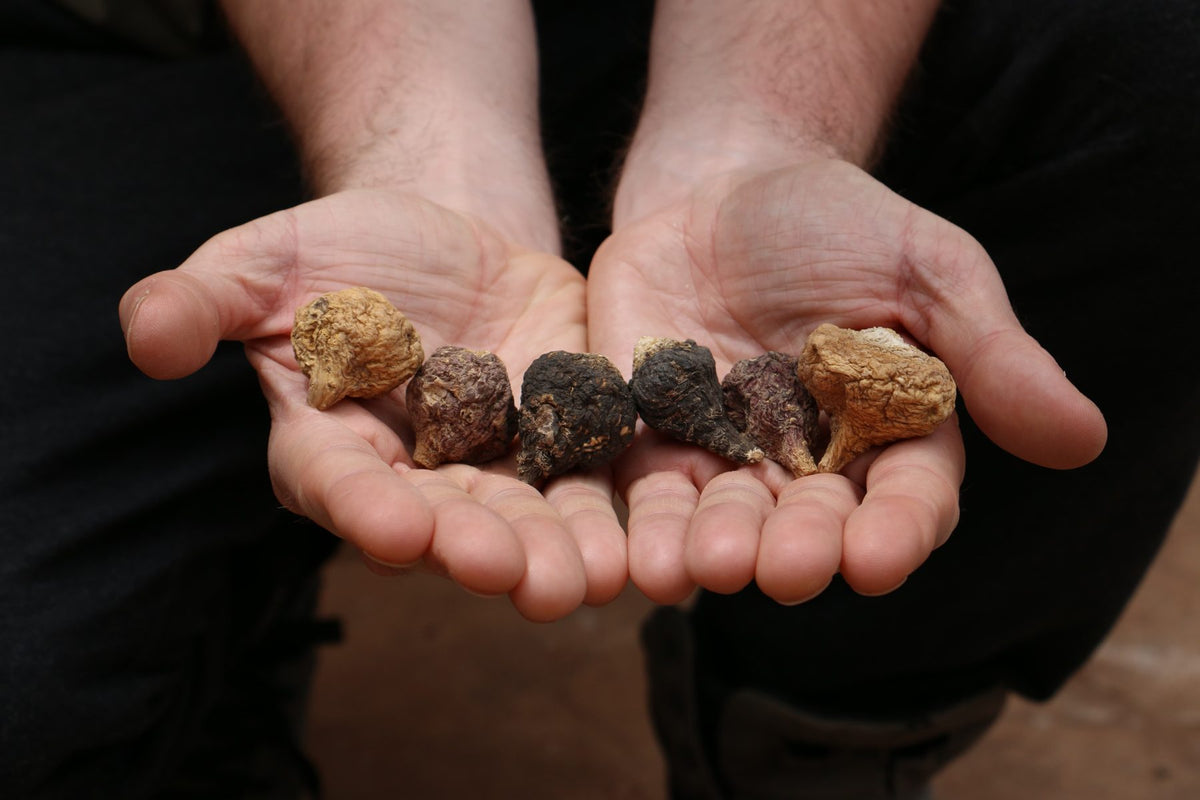
What is black maca?
All maca colours grow from the same seed. Roughly 60–70% of roots are yellow, 20–25% red and only 10–15% black. Black maca has the same traditional preparation as other maca, sun-dried for around three months and then cooked, but has a distinct profile of bioactive compounds. Our own analyses have found black maca among the richest colours in macamides, maca's signature compounds.
Black maca benefits: what the research says
1. Male fertility and sperm health
In animal studies, black maca had the strongest effect of the three colours on sperm count and motility (Gonzales et al., 2006). Clinical trials of maca in men have also reported improvements in semen parameters, although these used mixed or unspecified maca.
2. Memory and learning
Black maca improved learning and memory in animal models more than yellow or red maca (Rubio et al., 2006). Human research is still limited.
3. Energy and stamina
Black maca is traditionally associated with strength and endurance. A small pilot study in cyclists found maca improved time-trial performance (Stone et al., 2009), and animal studies suggest black maca may reduce fatigue.
4. Libido
Maca's traditional reputation as an aphrodisiac is backed by small clinical trials showing increased sexual desire, independent of testosterone (Gonzales et al., 2002).
5. Mood
Animal studies found antidepressant-like activity from black, red and yellow maca (Rubio et al., 2006), and small human trials have linked maca with improved mood. Maca is not a treatment for depression.
6. Blood sugar and metabolism
Animal studies suggest black maca may help regulate glucose levels, but this has not been confirmed in people.
7. Antioxidant activity
Laboratory studies indicate black maca has notable antioxidant activity, in line with its higher levels of bioactive compounds.
8. Bone health
Maca, particularly red and black, has shown bone-protective effects in animal studies. Human evidence is lacking.
Black maca vs red maca vs yellow maca
- Black maca: rarest; studied most for male fertility, memory and stamina.
- Red maca: studied most for prostate and bone health in animal research.
- Yellow maca: the most common, everyday all-rounder.
Read the full comparison in yellow vs red vs black maca.
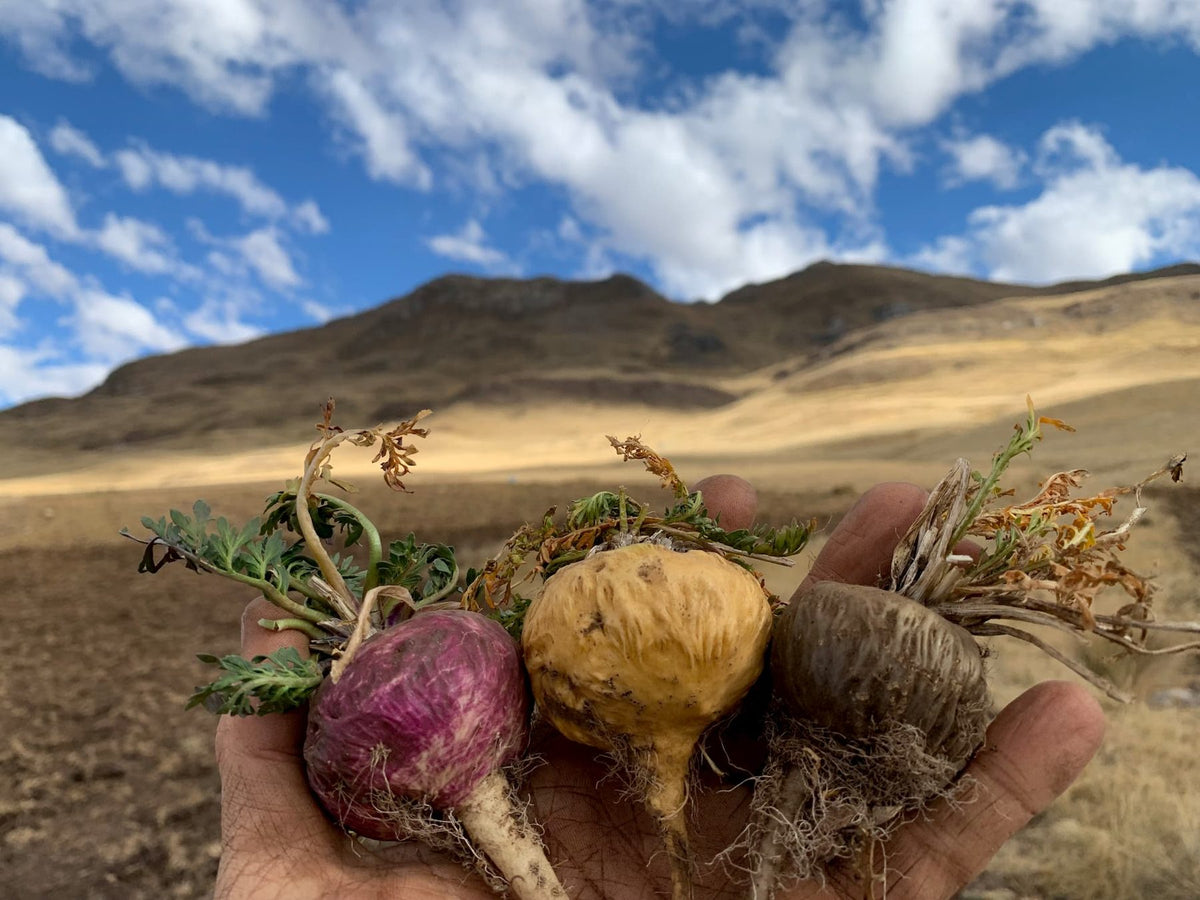
How to take black maca
Black maca is available as activated powder, in blends such as Maca for Men, and as a 10:1 extract, our Concentrated Black Maca. Our concentrated black maca was among the products included in our University of Otago maca research. Most maca studies used daily intake for 6–12 weeks. Black maca is suitable for both men and women. If you are pregnant, breastfeeding, have a medical condition or take medication, talk to your practitioner first.
Frequently asked questions
What is black maca good for?
Black maca is traditionally used for strength, stamina and male vitality. Research, mostly in animals, suggests benefits for sperm health, memory and energy.
Is black maca better than red maca?
They are different rather than better. Black maca has been studied most for male fertility and memory, red maca for prostate and bone health.
Can women take black maca?
Yes. Black maca is traditionally associated with male vitality, but it is suitable for women too.
Why is black maca more expensive?
Black maca makes up only 10–15% of each harvest, so it is the rarest maca colour.
References
- Gonzales C, et al. Effect of short-term and long-term treatments with three ecotypes of Lepidium meyenii (maca) on spermatogenesis in rats. Journal of Ethnopharmacology. 2006;103(3):448–454.
- Rubio J, et al. Effect of three different cultivars of Lepidium meyenii (maca) on learning and depression in ovariectomized mice. BMC Complementary and Alternative Medicine. 2006;6:23.
- Stone M, et al. A pilot investigation into the effect of maca supplementation on physical activity and sexual desire in sportsmen. Journal of Ethnopharmacology. 2009;126(3):574–576.
- Gonzales GF, et al. Effect of Lepidium meyenii (maca) on sexual desire and its absent relationship with serum testosterone levels in adult healthy men. Andrologia. 2002;34(6):367–372.


