
Maca Root Benefits: 10 Benefits and What the Research Says
By Dr Corin Storkey, co-founder of Seleno Health · Updated November 2026
Maca (Lepidium meyenii) is a root vegetable from the high Andes of Peru, traditionally eaten for energy, stamina, hormonal balance, fertility and libido. It is often described as an adaptogen, a food that helps the body adapt to stress. Modern research has started to test these traditional uses: some are supported by small clinical trials, others mainly by animal or laboratory studies. Below we look at ten of the best-known benefits of maca root, and how strong the evidence is for each.
Key takeaways
- The best human evidence for maca is for sexual desire, mood and menopausal symptoms, from small clinical trials.
- Evidence for energy, sperm quality and exercise performance is promising but limited.
- Benefits for bones, prostate and memory come mainly from animal studies, especially of red and black maca.
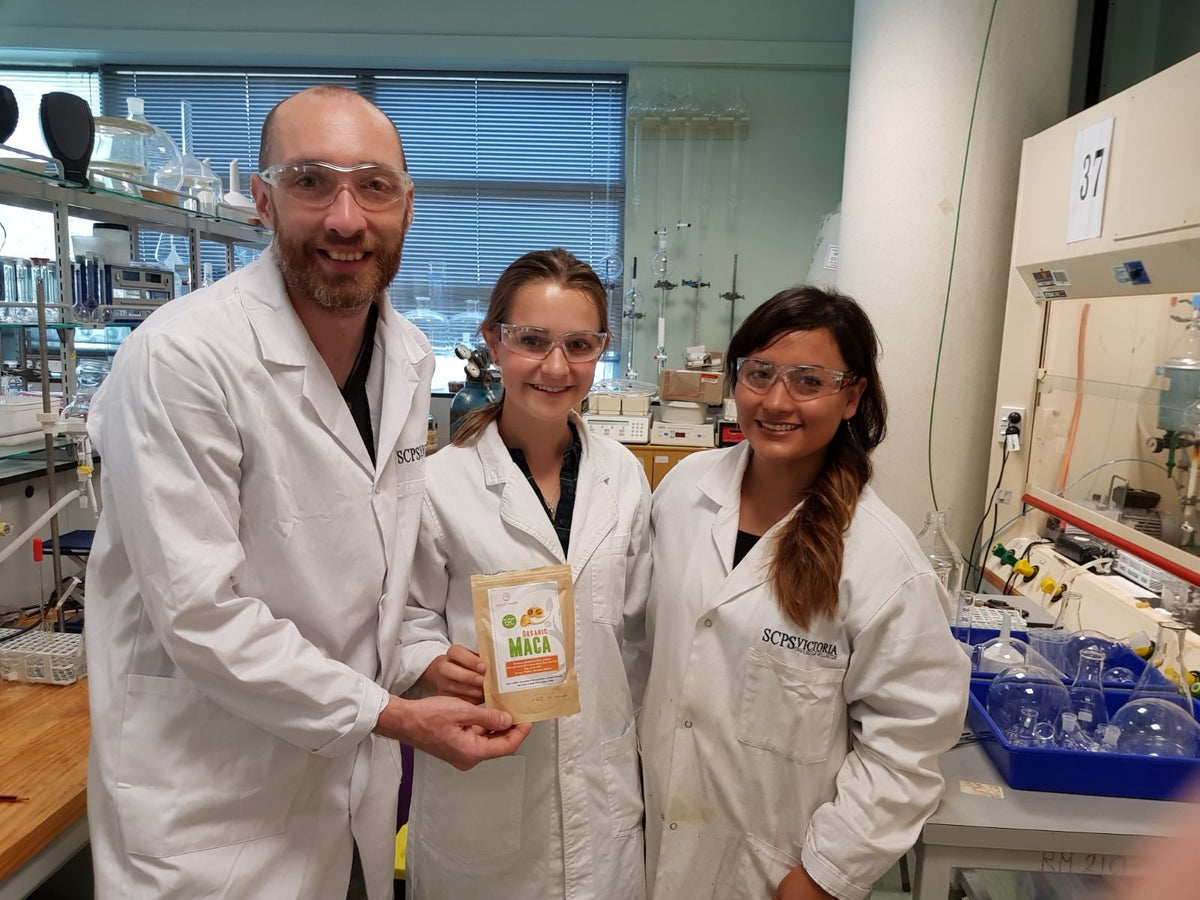
- New Zealand laboratory research with the University of Otago found maca reduced inflammatory signals in human cells.
- Maca does not appear to act like a hormone, and is generally well tolerated.
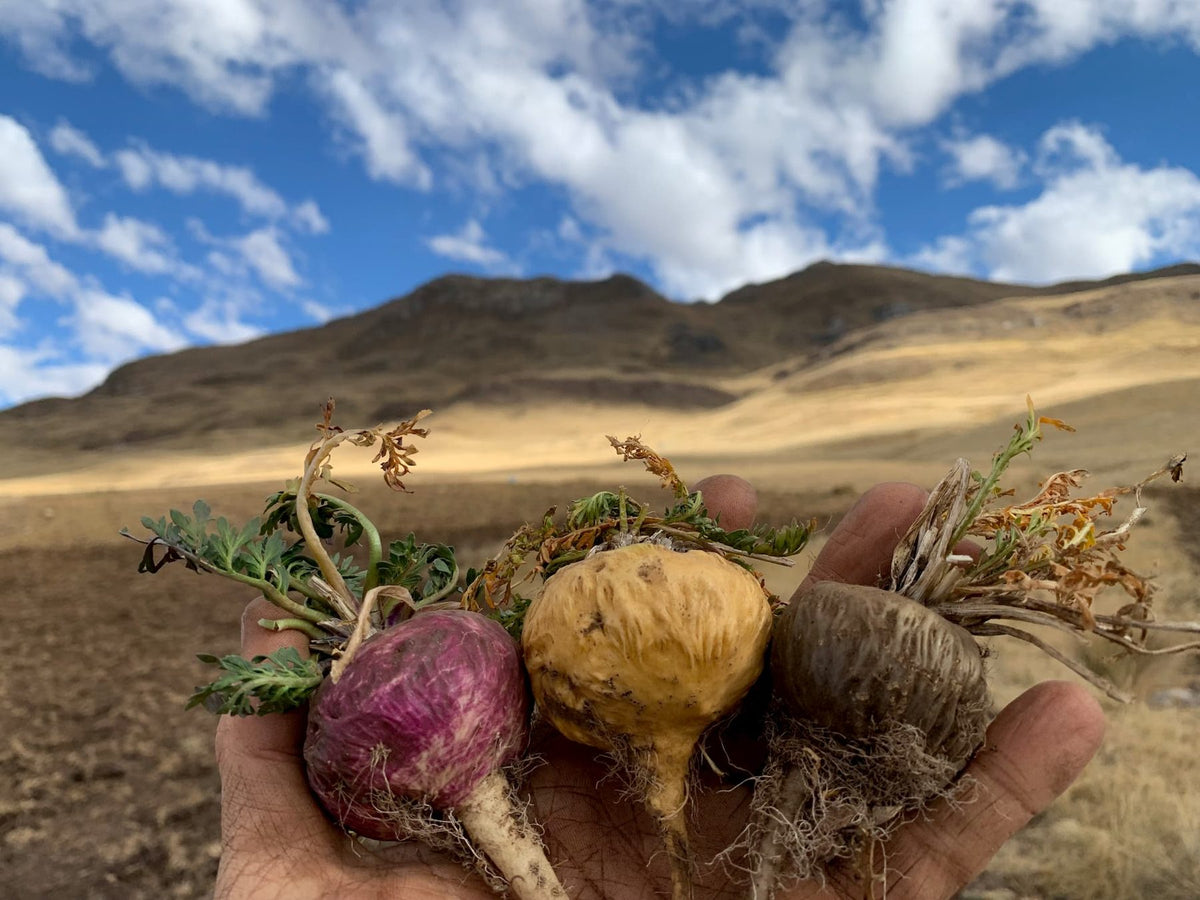
Maca has been cultivated in the Andes for around 2,000 years, at 3,500–4,500 metres above sea level. Andean communities call it a "food for the brain" and always dry and cook it before eating. Today, gelatinised (activated) maca powder offers a ready-to-eat version of that traditional preparation. Because quality and bioactive content vary widely, it is worth choosing a tested, traditionally prepared maca.
1. Energy, stamina and resilience to stress
In Junín, Peru, maca is traditionally eaten for strength and resilience to stress. As an adaptogen, it is thought to support the body's stress-response system (the HPA axis). Several small clinical studies have reported improvements in self-reported energy and mood with maca compared with placebo, and animal studies suggest effects on metabolism and endurance. Maca is not a stimulant, so any effect builds gradually rather than giving a caffeine-style hit.
Related products: Maca for Men, Maca for Women

Maca is traditionally called "food for the brain" in Peru.
2. Hormonal balance, PMS and menopause
Women in Peru have traditionally used maca throughout life for hormonal wellbeing. In clinical studies of postmenopausal women, maca has been associated with reductions in symptoms such as hot flushes, low mood, anxiety and sexual dysfunction compared with placebo (Brooks et al., 2008; Meissner et al., 2006). Interestingly, these effects were independent of oestrogen levels: maca does not appear to act like a hormone itself. Research on PMS is very limited. Maca is not a replacement for medical treatment such as HRT, so talk to your doctor about managing menopause symptoms.
Related products: Maca for Women, Concentrated Red Maca

Maca has traditionally been used by women at every stage of life.
3. Thyroid and metabolism: what we know
Maca is often discussed in relation to thyroid health, but there is little direct research in people. What we do know is that raw maca, like other cruciferous vegetables, contains glucosinolates that can affect thyroid function in large amounts, especially with low iodine intake. Cooking reduces these compounds, which is why we only sell pre-cooked (activated) maca. Some small studies have reported improvements in metabolic markers with maca, but maca should not be used to treat a thyroid condition. If you have one, talk to your practitioner before taking maca. See is maca safe?
Related products: Organic Activated Maca Powder, Chocolate Maca

Always choose cooked (activated) maca rather than raw maca.
4. Mood and mental wellbeing
Small clinical trials have linked maca with reduced anxiety and depression scores, particularly in postmenopausal women (Brooks et al., 2008; Stojanovska et al., 2015), and animal studies found antidepressant-like effects from yellow, red and black maca (Rubio et al., 2006). These results are encouraging, but maca is not a treatment for depression or anxiety. If you take medication for your mental health, keep taking it as prescribed and talk to your doctor before adding maca.
Related products: Maca for Men, Maca for Women, Concentrated Red Maca, Concentrated Black Maca

Small clinical studies have linked maca with improved mood.
5. Fertility
Maca has a long history as a fertility food in Peru: locals joke that too much maca means too many children. In men, small clinical trials have reported improvements in semen volume, sperm count and motility after several months of maca (Gonzales et al., 2001; Melnikovova et al., 2015). Evidence for female fertility comes mainly from animal studies. If you are trying to conceive, maca can be part of a healthy routine, but talk to your doctor or fertility specialist first.
Related products: Maca for Women, Concentrated Red Maca, Maca for Men, Concentrated Black Maca

Maca has a long tradition as a fertility food in the Andes.
6. Libido and sexual wellbeing
Libido is maca's best-known traditional use, and one of the better-studied. In a 12-week trial, men taking maca reported increased sexual desire from week 8, without changes in testosterone (Gonzales et al., 2002). A systematic review found some evidence that maca improves sexual desire, while noting the studies were small (Shin et al., 2010). Studies in postmenopausal women also reported improved sexual function scores. Maca does not appear to work by changing hormone levels.
Related products: Maca for Women, Concentrated Red Maca, Maca for Men, Concentrated Black Maca

Maca is one of Peru's best-known traditional aphrodisiac foods.
7. Bone health
Older people in Junín are known for staying physically active well into later life, and maca is often credited. Animal research, particularly on red maca, has shown protective effects on bone in models of oestrogen deficiency (Gonzales et al., 2010), and maca contains calcium and other minerals. Human studies on maca and bone density are still lacking, so these results should be seen as promising rather than proven.
Related products: Concentrated Red Maca

Red maca has been the focus of animal research on bone health.
8. Prostate health and red maca
As men age, the prostate often enlarges, a common condition called benign prostatic hyperplasia (BPH), which can cause urinary symptoms such as:
- Frequent urination
- Urinary urgency
- Nocturia (having to get up frequently in the night to urinate)
- Difficulty with starting urination (hesitancy)
- Poor urine flow
- Urine dribbling
- Inability to fully empty the bladder
- Erectile dysfunction
In animal studies, red maca, but not yellow or black, reduced prostate size in rats with induced prostate enlargement, without affecting testosterone levels (Gonzales et al., 2005, 2007). One rat study found effects comparable to finasteride. These findings are interesting, but they have not yet been confirmed in clinical trials in men. If you have prostate or urinary symptoms, see your doctor, as they can have several causes.
Related products: Concentrated Red Maca

Red maca is the colour most studied for prostate health.
9. Focus, memory and the brain
Maca contains unique fatty-acid compounds called macamides, which interact with the endocannabinoid system, a key regulator of the brain's response to stress. In animal studies, black maca in particular improved learning and memory (Rubio et al., 2006), and human research on maca and cognition is at an early stage. Our own University of Otago research is helping to explain how macamides work. Read more in how does maca work?
Related products: Concentrated Black Maca

Black maca has been studied most for memory and learning in animal research.
10. Exercise and stamina
Legend says Inca warriors ate large amounts of maca before battle, at altitudes with around 40% less oxygen than sea level. Maca has long been valued as an energy food for physically demanding life at altitude, and animal studies suggest it may support endurance and recovery.
In a small pilot study, cyclists who took maca extract for 14 days improved their 40 km time-trial performance and reported increased sexual desire (Stone et al., 2009). Larger studies are needed. Many people who train take maca daily as part of their routine, and some prefer black maca, traditionally associated with strength and stamina.
Related products: Maca for Men, Concentrated Black Maca

Maca has a long tradition as an energy food at altitude.
New research: maca and inflammation
Beyond these ten traditional benefits, new research is exploring maca's effects on inflammation. In laboratory studies with the University of Otago, our maca products and macamides reduced the release of several inflammatory signalling molecules from human cells and inhibited FAAH, an enzyme in the endocannabinoid system. These are early, pre-clinical findings. Read the full research summary.
How to take maca
Most clinical studies have used 1.5–3.5 g of maca a day for 6–12 weeks. Choose gelatinised (activated) maca or a concentrated extract rather than raw maca, and take it with food, for example in a smoothie, porridge or latte. See easy ways to use maca powder, yellow vs red vs black maca and maca powder vs capsules.
This article is general information, not medical advice. Talk to your healthcare practitioner before taking maca if you are pregnant, breastfeeding, have a medical condition or take medication.
Frequently asked questions
What are the main benefits of maca root?
Maca is traditionally used for energy, stamina, hormonal balance, mood, fertility and libido. The strongest human evidence is for sexual desire, mood and menopausal symptoms, from small clinical trials.
How long does maca take to work?
Most clinical studies have run for 6–12 weeks, and some effects, such as increased libido, were reported from around 8 weeks.
Is maca good for women?
Small studies in postmenopausal women found maca reduced symptoms such as hot flushes, low mood and sexual dysfunction, without changing oestrogen levels.
Is maca good for men?
Studies in men have reported increased sexual desire and, in some trials, improved sperm parameters. Red maca has been studied in animal models of prostate enlargement.
Which colour of maca is best?
Yellow maca is the most common everyday maca. Red maca is most studied for prostate and bone health and black maca for memory and male fertility. See our guide to yellow vs red vs black maca.
References
- Brooks NA, et al. Beneficial effects of Lepidium meyenii (maca) on psychological symptoms and measures of sexual dysfunction in postmenopausal women are not related to estrogen or androgen content. Menopause. 2008;15(6):1157–1162.
- Gonzales GF, et al. Effect of Lepidium meyenii (maca) on sexual desire and its absent relationship with serum testosterone levels in adult healthy men. Andrologia. 2002;34(6):367–372.
- Gonzales GF, et al. Lepidium meyenii (maca) improved semen parameters in adult men. Asian Journal of Andrology. 2001;3(4):301–303.
- Shin BC, et al. Maca (L. meyenii) for improving sexual function: a systematic review. BMC Complementary and Alternative Medicine. 2010;10:44.
- Stone M, et al. A pilot investigation into the effect of maca supplementation on physical activity and sexual desire in sportsmen. Journal of Ethnopharmacology. 2009;126(3):574–576.
- Stojanovska L, et al. Maca reduces blood pressure and depression, in a pilot study in postmenopausal women. Climacteric. 2015;18(1):69–78.
- Gonzales GF. Ethnobiology and ethnopharmacology of Lepidium meyenii (maca), a plant from the Peruvian highlands. Evidence-Based Complementary and Alternative Medicine. 2012;2012:193496.
Find the perfect maca for you
- Menopause
- PMS or hormonal imbalances
- Fertility and libido - Women
- Body shape - enhanced curves
- Fertility - Men
- Inflammation - anxiety - chronic stress
- Libido and sexual function - Men
- Prostate function
- Chronic fatigue
- Immunity
- Thyroid issues
- General stress and fatigue
- Metabolic syndrome
- Mental Health
- Bone Density
- Athletic performance
- Neurological conditions
- Muscle building
Learn more about maca

Maca Powder Versus Maca Capsules: Which Is Better?
Maca powder and maca capsules are both derived from the root of the maca plant and offer the same health...

Ways To Consume Maca Powder (With Recipes)
Maca powder is a versatile superfood derived from the maca root. It can be consumed in a variety of ways....

10 Surprising Benefits Of Black Maca
Black maca root is a root vegetable touted for its many health benefits as well as the versatile uses of...

The Benefits Of Maca Powder
Maca is a cruciferous root vegetable that comes from Peru. It is nicknamed the Peruvian ginseng, even though it has...

Maca Powder And How To Use It
At Seleno Health, we combine ancient plant wisdom with modern science to bring you natural health and wellbeing. We have...

Maca Capsules Vs Maca Powder
Our NZ maca capsules for men and women have been scientifically measured and compiled in laboratory conditions to deliver the...

Yellow maca vs red maca vs black maca NZ - maca colours explained
For centuries the people of Peru have used the different colours of maca root for different healing benefits. New scientific...

What are the benefits of maca root for your health and wellbeing
Maca root has many benefits for your health and wellbeing; for instance, it improves the functioning of your endocrine system...

How does maca work?
Maca is a sacred medicinal root that has been part of shamanic and health practices in Peru for centuries. Most...

Is maca safe? Myths and truths about maca
Maca is a sacred Incan root vegetable that has been used for centuries in Peru due to its therapeutic properties....


