
Is Maca Safe? Side Effects, Myths and What the Evidence Says
By Dr Corin Storkey, co-founder of Seleno Health · Updated November 2026
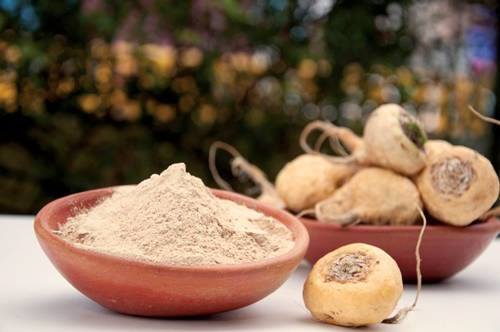
Maca (Lepidium meyenii) is an Andean root vegetable that has been eaten in Peru for over 2,000 years. Traditionally it is hand-harvested, sun-dried and cooked into teas, soups and porridges. It is best known for its traditional use for energy, stamina, libido and hormonal balance, and is often described as an adaptogen. Maca is generally regarded as a safe food, and clinical trials using typical amounts have reported few side effects. But it is still sensible to ask how it fits with your own health, so here is what the evidence says about the most common concerns.
Key takeaways
- Clinical studies using around 1.5–3.5 g of maca a day for up to 12 weeks have generally found maca to be well tolerated.
- Maca does not appear to act like oestrogen: a placebo-controlled study in postmenopausal women found no change in oestrogen or other reproductive hormone levels.
- Raw maca contains glucosinolates and can carry mould, so cooked or gelatinised (activated) maca is the traditional and safer choice.
- There is not enough research on maca supplements in pregnancy, breastfeeding, children or alongside specific medications, so check with your health practitioner first.

Even so, people often ask whether maca is safe alongside particular health conditions or medications. Here are the common myths, and what the evidence actually says.
1. Is maca safe for hormones?
The myth - that maca might stimulate hormonal production and could interfere with the contraceptive pill or worsen hormone sensitive conditions like cervical dysplasia, cervical cancer or breast cancer.
The truth
Maca does not appear to act like oestrogen or to contain significant phyto-oestrogens. In a randomised, placebo-controlled study, 14 postmenopausal women taking 3.5 g of maca a day showed no differences in oestradiol, FSH, LH or sex hormone-binding globulin compared with placebo (Brooks et al., 2008). Animal studies have similarly found no effect on the oestrous cycle or oestradiol levels. However, there are no direct studies of maca in hormone-sensitive conditions such as breast or cervical cancer, so if you have one of these conditions, or use hormonal contraception or HRT, check with your doctor before taking maca.
In the same study, women taking maca reported reduced psychological symptoms, including anxiety and depression scores, and less sexual dysfunction, and these effects were independent of oestrogenic or androgenic activity. This was a small study, so larger trials are needed to confirm the findings.

Studies suggest maca does not act like oestrogen.
2. Is maca safe for thyroid function?
The myth - that maca belongs to the cruciferous vegetable family, which are known in some cases to contain high levels of biochemicals called glucosinolates, substances that can interfere with the production of thyroid hormones, particularly in the presence of a low-iodine diet.
The truth
Like other cruciferous vegetables, raw maca contains glucosinolates, which in large amounts can interfere with thyroid function, particularly when iodine intake is low. Cooking breaks down a large proportion of glucosinolates, which is one reason maca is traditionally never eaten raw in Peru. Raw roots and powder can also carry mould, so we only sell pre-cooked (gelatinised or "activated") maca that is tested for microbial contamination. There is no good evidence that maca treats thyroid conditions, so if you have a thyroid disorder, talk to your practitioner before using it. Learn more in why you should never eat raw maca.

Cooked (activated) maca is the traditional way to eat maca.
3. Is maca safe for pregnancy and breast feeding? Is maca safe for kids?
The myth - maca may interfere with hormones and be bad during pregnancy, breastfeeding or for children to consume?
The truth
Maca and pregnancy – In Peru, maca is traditionally eaten by women before, during and after pregnancy, and it contains nutrients such as folate. However, there are no clinical studies on the safety of maca supplements during pregnancy, so talk to your midwife or doctor before using maca if you are pregnant or trying to conceive.
Maca and breastfeeding – APILAM, the Spanish association for the promotion of breastfeeding that runs the e-lactancia database, has reviewed the available information and considers maca likely to be compatible with breastfeeding. Research is still limited, so check with your healthcare provider, and choose a tested, good-quality maca product.
In Peru, maca is traditionally eaten after birth as a nourishing food for new mothers. If you choose to use it, a tested, pre-cooked product is the safest option.
Maca and children – Maca is eaten as an everyday food by people of all ages in Peru. There are no clinical studies of maca supplements in children, so check with your child's doctor first. If you do use it, small, food-like amounts are more appropriate than adult supplement doses.

Maca is traditionally eaten by people of all ages in Peru.
4. Is maca safe to go with my medication?
The myth - as it is energising could maca be bad for blood pressure? And as a cruciferous vegetable could the levels of vitamin K cause issues with my blood thinners? What about lipid lowering medication is that ok with maca? As maca works in the brain will it affect my anti-depressants or medication for my mental health?
The truth
There are no well-documented interactions between maca and common medications, and clinical trials have reported few side effects. However, maca has not been formally studied alongside most medicines, so the safest approach is to check with your doctor or pharmacist before combining maca with prescription medication.
Maca and blood thinners – If you take a blood thinner such as warfarin, the usual advice is to keep your vitamin K intake consistent. Maca is not a particularly rich source of vitamin K compared with leafy greens like kale, broccoli and spinach, and typical daily amounts are small (a few grams). Even so, discuss any new supplement, including maca, with your doctor or pharmacist.
Maca and blood pressure, cholesterol or diabetes medication – Some small studies have reported improvements in blood pressure and other metabolic markers with maca, but the evidence is limited. If you take medication for blood pressure, cholesterol or blood sugar, talk to your doctor before adding maca.
Maca and antidepressants – Small studies have linked maca with improvements in mood and psychological symptoms, particularly in postmenopausal women, but maca is not a treatment for depression and has not been studied alongside antidepressant medication. If you take medication for your mental health, keep taking it as prescribed and discuss maca with your doctor first.

Check with your doctor before combining maca with prescription medication.
5. Does maca have side effects?
Clinical trials have generally reported maca to be well tolerated. Some people notice digestive discomfort, particularly with raw maca because of its high starch content, and some find maca energising, so it is best taken earlier in the day. Start with a small amount and increase gradually.
How to choose a safe maca
- Choose gelatinised (activated) or extracted maca, not raw maca powder.
- Look for testing for microbial contamination.
- Check where it comes from: traceable maca from the Peruvian Andes, traditionally sun-dried.
- Look for certified organic maca.
See how to choose the best maca powder and the different types of maca. We also invest in research into maca: read about our University of Otago maca studies.
This article is general information, not medical advice. Talk to your healthcare practitioner before taking maca if you are pregnant, breastfeeding, have a medical condition or take medication.
Frequently asked questions
Is maca safe to take every day?
Clinical studies have used maca daily for up to 12 weeks and generally found it well tolerated. In Peru, maca is eaten regularly as a food. Choose cooked (gelatinised) maca and start with a small amount.
Does maca increase oestrogen?
Studies suggest it does not. In a placebo-controlled trial, postmenopausal women taking 3.5 g of maca daily showed no change in oestradiol, FSH, LH or SHBG.
Is maca safe during pregnancy?
Maca is traditionally eaten during pregnancy in Peru, but there are no clinical studies on maca supplements in pregnancy, so check with your midwife or doctor first.
Can maca affect the thyroid?
Raw maca contains glucosinolates, which in large amounts can affect thyroid function. Cooking reduces them, which is why gelatinised maca is preferred. If you have a thyroid condition, talk to your practitioner first.
Can I take maca with medication?
There are no well-documented interactions, but maca has not been studied with most medications. Check with your doctor or pharmacist before combining maca with prescription medicines.
References
- Brooks NA, et al. Beneficial effects of Lepidium meyenii (maca) on psychological symptoms and measures of sexual dysfunction in postmenopausal women are not related to estrogen or androgen content. Menopause. 2008;15(6):1157–1162.
- Gonzales GF. Ethnobiology and ethnopharmacology of Lepidium meyenii (maca), a plant from the Peruvian highlands. Evidence-Based Complementary and Alternative Medicine. 2012;2012:193496.
- e-lactancia (APILAM). Maca. www.e-lactancia.org
Find the perfect maca for you
- Menopause
- PMS or hormonal imbalances
- Fertility and libido - Women
- Body shape - enhanced curves
- Fertility - Men
- Inflammation - anxiety - chronic stress
- Libido and sexual function - Men
- Prostate function
- Chronic fatigue
- Immunity
- Thyroid issues
- General stress and fatigue
- Metabolic syndrome
- Mental Health
- Bone Density
- Athletic performance
- Neurological conditions
- Muscle building
Learn more about maca

Maca Powder Versus Maca Capsules: Which Is Better?
Maca powder and maca capsules are both derived from the root of the maca plant and offer the same health...

Ways To Consume Maca Powder (With Recipes)
Maca powder is a versatile superfood derived from the maca root. It can be consumed in a variety of ways....
10 Surprising Benefits Of Black Maca
Black maca root is a root vegetable touted for its many health benefits as well as the versatile uses of...
The Benefits Of Maca Powder
Maca is a cruciferous root vegetable that comes from Peru. It is nicknamed the Peruvian ginseng, even though it has...
Maca Powder And How To Use It
At Seleno Health, we combine ancient plant wisdom with modern science to bring you natural health and wellbeing. We have...
Maca Capsules Vs Maca Powder
Our NZ maca capsules for men and women have been scientifically measured and compiled in laboratory conditions to deliver the...

Yellow maca vs red maca vs black maca NZ - maca colours explained
For centuries the people of Peru have used the different colours of maca root for different healing benefits. New scientific...

What are the benefits of maca root for your health and wellbeing
Maca root has many benefits for your health and wellbeing; for instance, it improves the functioning of your endocrine system...

How does maca work?
Maca is a sacred medicinal root that has been part of shamanic and health practices in Peru for centuries. Most...
Is maca safe? Myths and truths about maca
Maca is a sacred Incan root vegetable that has been used for centuries in Peru due to its therapeutic properties....


