
Maca Research in New Zealand: What Our University of Otago Pre-Clinical Studies Found
Seleno Health has spent the past few years funding laboratory research into Peruvian maca with the University of Otago in Dunedin. This article explains what we tested, what we found, what we didn't find, and what it does and doesn't mean.
By Dr Corin Storkey, co-founder of Seleno Health
Key takeaways
- Seleno Health partnered with the Department of Pharmacology and Toxicology at the University of Otago to study our maca products and their bioactive compounds (macamides) in the lab.
- The postdoctoral research, led by Dr Lucy Thomsen (PhD) and co-funded by Seleno Health and a Callaghan Innovation R&D career grant, is one of the few research programmes looking at maca beyond hormones and fertility.
- In human cell models, our red and black maca extracts and individual macamides reduced the release of several inflammatory signalling molecules (chemokines and cytokines).
- Our MCB Oil and purified macamides inhibited FAAH, the enzyme that breaks down the body's own "bliss molecule" anandamide, an important part of the endocannabinoid system.
- Not every test was positive: none of the maca samples inhibited the COX-2 enzyme (the target of ibuprofen-type drugs), which helps narrow down how maca may work.
- These are pre-clinical (in vitro) results. They help explain traditional uses of maca, but they are not proof of effects in people.
Why research maca in New Zealand?
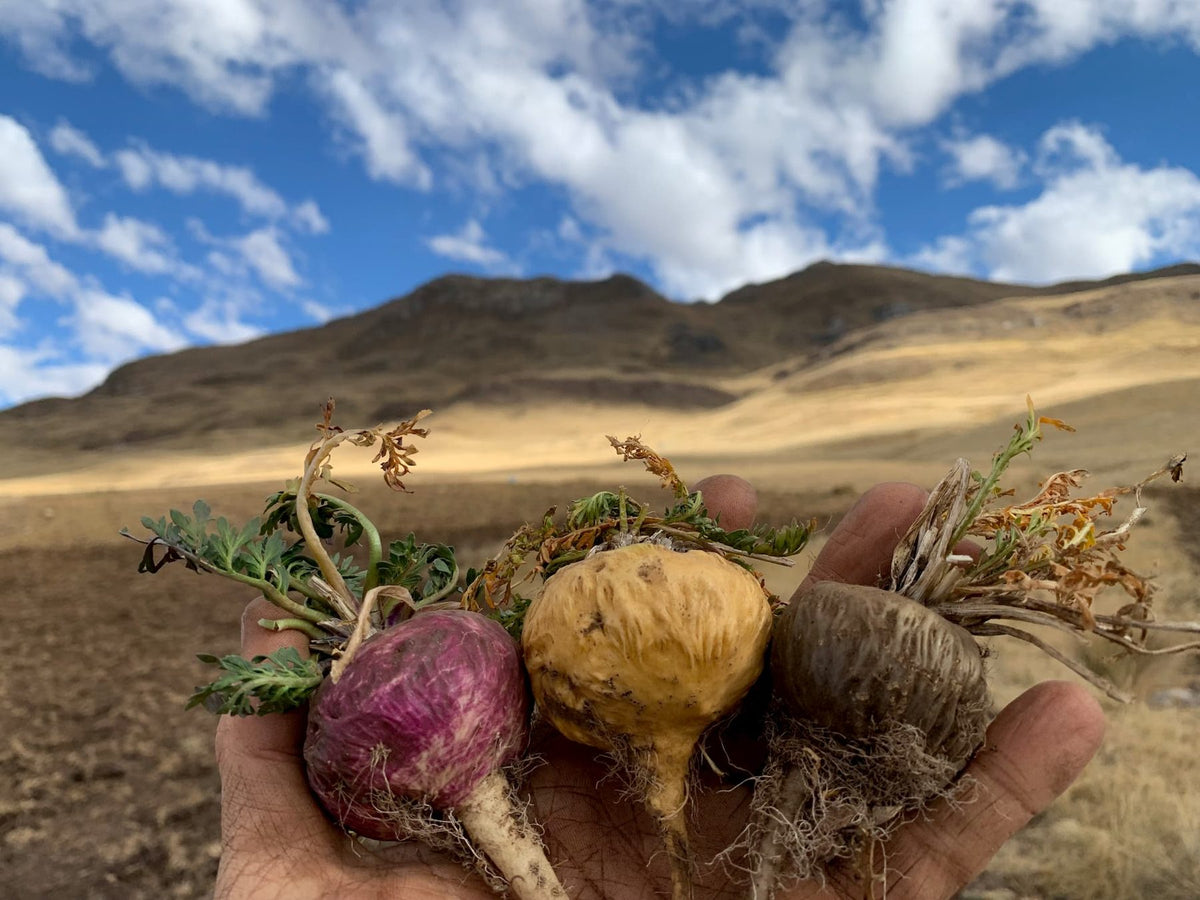
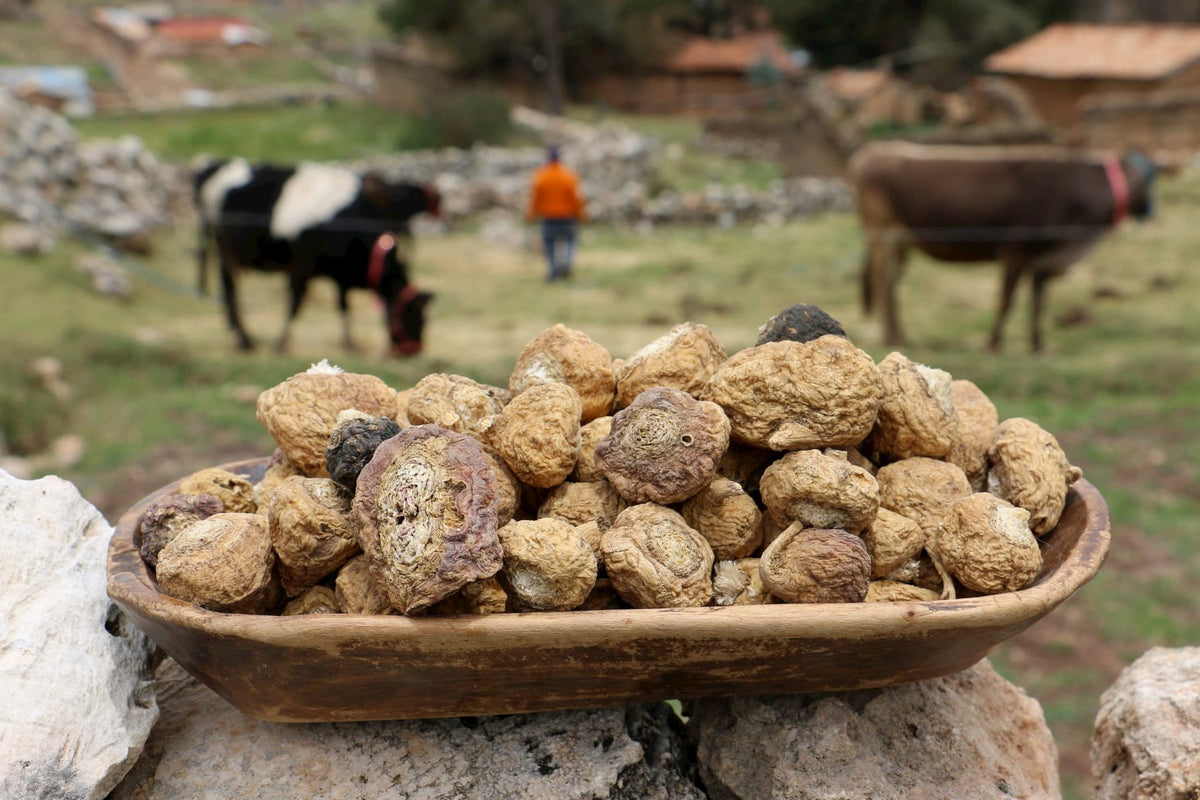
Maca (Lepidium meyenii), sometimes called Peruvian ginseng, is a cruciferous root vegetable related to the radish. It grows only at 3,500–4,500 metres in the Andes of Peru and comes in three main colours: yellow, red and black. For centuries, Andean communities have used maca as a food and traditional remedy, and after harvest the roots are sun-dried for around three months, a step that concentrates its unique bioactives, macamides and macaenes.
Most modern maca research focuses on hormone balance, libido and fertility. Far less is known about maca's effects on the immune system and inflammation, even though traditional use includes support for joint and respiratory complaints. As a New Zealand company bringing Peruvian maca to Kiwis, we wanted to understand our products properly, not just repeat claims. So we took that question to one of the country's leading pharmacology departments.
New to maca? Start with how maca works and is maca safe?
Who carried out the research?
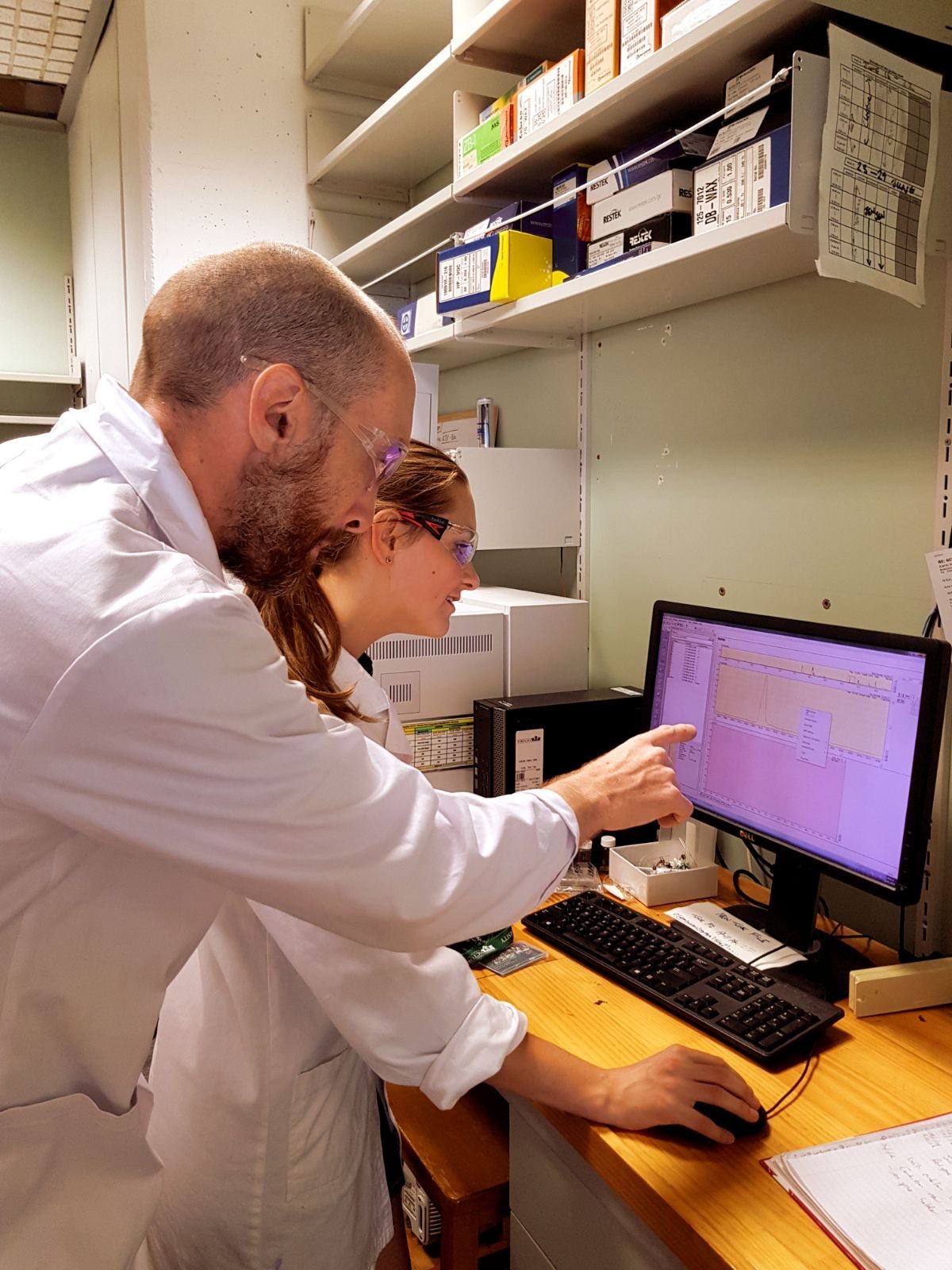
The work was carried out in the Department of Pharmacology and Toxicology at the University of Otago, in the laboratory of Associate Professor Lyn Wise, by postdoctoral researcher Dr Lucy Thomsen (PhD). It was co-supervised by Seleno Health co-founder Dr Corin Storkey and co-funded by Seleno Health and a Callaghan Innovation postdoctoral R&D career grant.
A separate University of Otago research project, supervised in the same department and funded by Seleno Health, looked at how individual macamides interact with the body's cannabinoid receptors.
Watch: Dr Lucy Thomsen explains the research
Dr Thomsen presented the findings in August 2025 in the webinar Maca Magic: Unlocking the Ancient Peruvian Superfood's Secrets for Modern Wellness. Watch the full presentation below, including what was measured, how the experiments worked and what the results suggest.
Prefer YouTube? Watch the maca research webinar on YouTube.
What did we test?
The studies compared several forms of maca, from finished products to individual molecules:
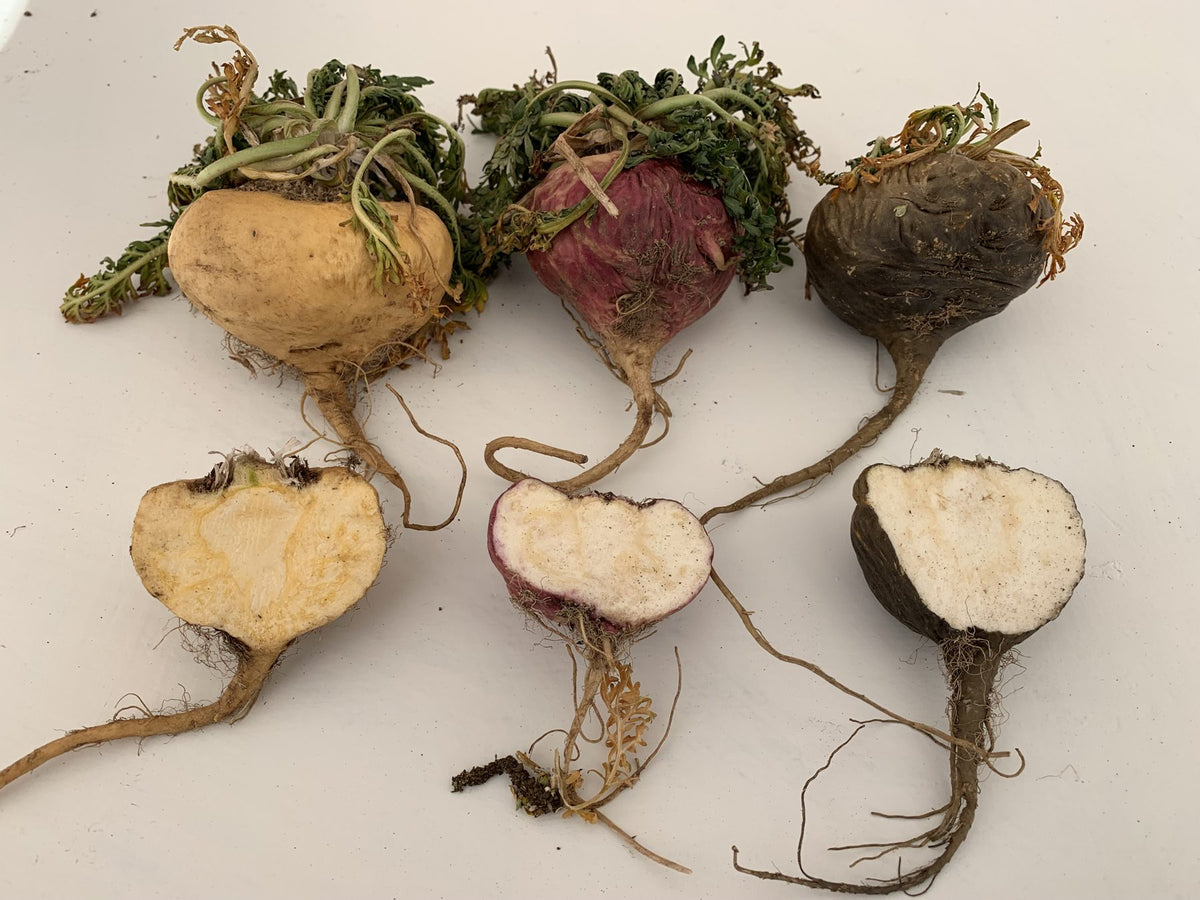
- Concentrated red maca and concentrated black maca: 10:1 ethanolic extracts, spray-dried into a powder. Ethanol extraction is designed to mirror traditional maceration.
- MCB Oil: our most concentrated format, containing fat-soluble maca extract with medium-chain triglycerides, essential fatty acids and terpenes.
- Individual macamides: purified versions of three of maca's signature compounds, so we could see which molecules may be doing the work.
- Research extracts made using different extraction methods, for comparison.
These were tested on human skin cells (keratinocytes) and human immune cells (monocytes) grown in the lab, and on purified human enzymes. Before any activity testing, every sample was checked to make sure it wasn't toxic to the cells at the levels used.
Finding 1: maca reduced inflammatory signals in human cells
When your body responds to injury or infection, cells release small messenger proteins called cytokines and chemokines. Some call immune cells to the area, some amplify inflammation, and some help resolve it. Measuring them gives researchers a snapshot of how "switched on" an inflammatory response is.
To mimic inflammation, the cells were stimulated with immune triggers and then treated with maca. The team measured four messengers: CXCL10, MCP-1, MCP-2 and TNF-α.
- Red and black maca extracts significantly reduced the release of CXCL10, MCP-1 and MCP-2.
- The purified macamides tested also reduced these chemokines, and one macamide also reduced TNF-α from immune cells.
- MCB Oil reduced MCP-2 but had little effect on the other messengers.
To our knowledge, this is the first evidence that maca products and macamides can lower MCP-2 in cell studies.
Finding 2: maca and the endocannabinoid system (FAAH)
The endocannabinoid system (ECS) is a signalling network that helps regulate inflammation, pain perception, mood, sleep, appetite and digestion. One of its key messengers is anandamide, sometimes called the "bliss molecule". Anandamide is broken down by an enzyme called FAAH (fatty acid amide hydrolase). Slowing FAAH lets anandamide stay active for longer.
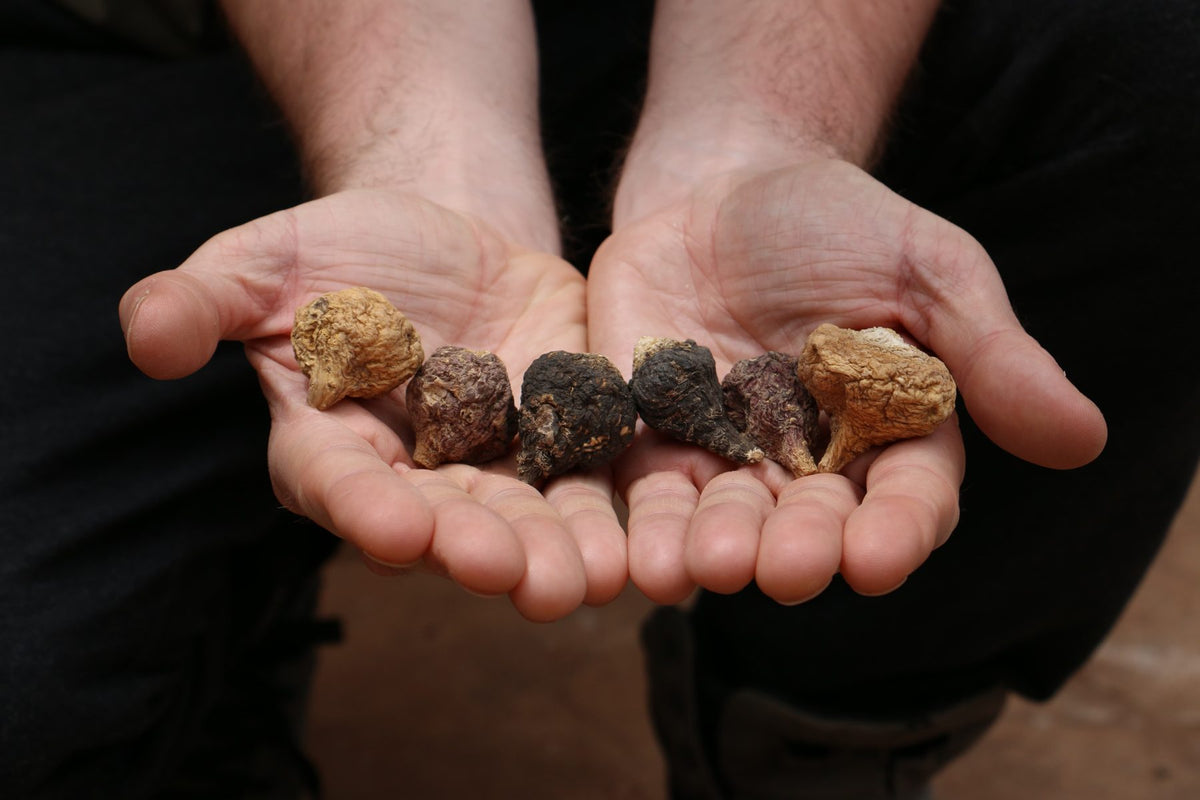
Macamides are structurally similar to anandamide, and earlier international studies suggested they may inhibit FAAH. Our research confirmed this for our products:
- MCB Oil and two of the purified macamides strongly inhibited FAAH activity.
- All of the maca research extracts tested also inhibited FAAH.
- For comparison, CBD is also known to inhibit FAAH, but only weakly.
Preliminary gene-expression work also suggests that maca may influence how cells express endocannabinoid receptors (CB1 and CB2) and the enzymes that break down endocannabinoids. That work is ongoing.
Read more about the entourage effect and the endocannabinoid system.
Finding 3: a second anti-inflammatory pathway (soluble epoxide hydrolase)
The body also makes naturally anti-inflammatory fats called EETs (epoxyeicosatrienoic acids). An enzyme called soluble epoxide hydrolase (sEH) breaks them down. Blocking sEH helps those calming signals last longer.
MCB Oil and an individual macamide inhibited sEH. So far, this appears to be a point of difference between maca and CBD: in our comparisons, the sEH pathway was unique to the maca samples.
Finding 4: how macamides interact with cannabinoid receptors
Because macamides look a bit like anandamide, a common assumption is that they act like cannabinoids and switch on cannabinoid receptors directly. A University of Otago project funded by Seleno Health tested this:
- Unsaturated macamides (those with double bonds in their fatty-acid tail) and maca extracts bound to both CB1 and CB2 receptors, with a modest preference for CB2, the receptor found mainly on immune cells.
- Binding was weak, and the macamides did not activate the receptors.
- Saturated macamides did not bind at all.
Together with the FAAH results, this suggests maca works indirectly on the endocannabinoid system, by helping the body's own endocannabinoids last longer, rather than acting like a cannabinoid itself.
What we didn't find (and why it matters)
Good science reports negative results too:
- COX-2: None of the maca products or macamides inhibited COX-2, the enzyme targeted by common anti-inflammatory medicines like ibuprofen and diclofenac (Voltaren). Maca does not appear to work like these drugs.
- β-endorphin: Our finished products did not increase release of β-endorphin (a natural feel-good opioid) from skin cells. Two of the research extracts did produce a small increase.
- Different products, different profiles: The powdered red and black maca extracts were stronger at lowering inflammatory messengers, while MCB Oil was stronger at inhibiting the FAAH and sEH enzymes. This supports what traditional users have long said: different maca preparations behave differently.
What does this mean for you?
These results give a scientific basis for exploring maca beyond hormones and fertility, and point to two clear pathways, the endocannabinoid system and the EET pathway, through which maca's unique compounds may help the body regulate inflammation.
It's important to be clear about the limits. This research was done in cells and with purified enzymes, not in people. Concentrations used in a lab dish don't directly translate to what reaches your tissues after eating maca. The findings don't show that maca prevents or treats any disease, and maca is not a substitute for medical care. If you have a health condition, are pregnant or take medication, talk to your healthcare practitioner before using maca.
How maca is prepared also matters. Traditional Peruvian practice is to cook, boil or extract maca rather than eat it raw. Learn why in never eat raw maca.
From the Andes to the lab
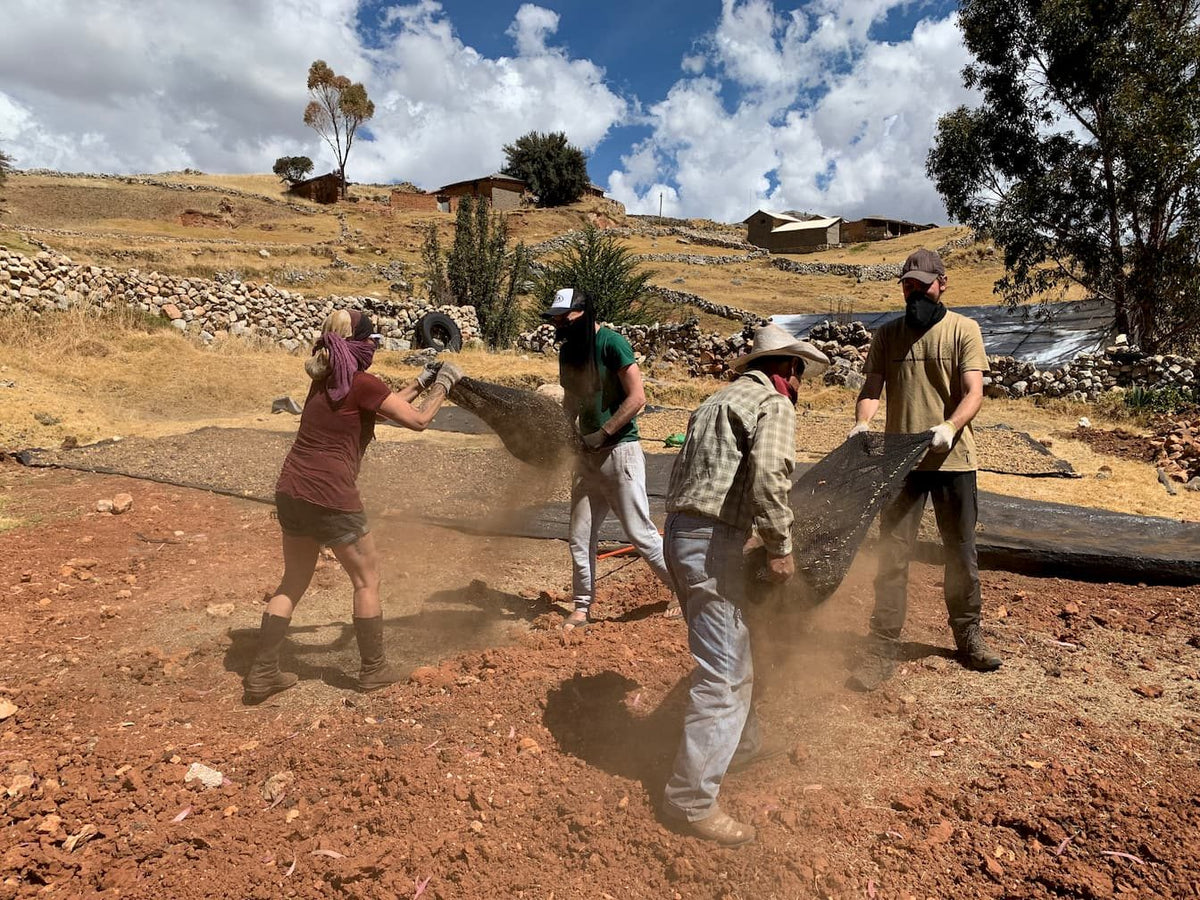
Good research starts with good raw material. Our maca is grown in the Peruvian highlands, harvested by hand and traditionally sun-dried before extraction, the same post-harvest process that concentrates the macamides studied above. Learn more in how does maca grow?

What's next for Seleno Health maca research?
Next steps include:
- Measuring prostaglandins and other lipid inflammatory mediators in maca-treated cells
- Pharmacokinetic studies: understanding how macamides are absorbed and broken down in the body
- Further pre-clinical and, ultimately, clinical studies in people
We'll share results as they become available. To follow along, subscribe to our newsletter or browse more articles in our maca blog.
Frequently asked questions
Has maca been scientifically studied in New Zealand?
Yes. Seleno Health has partnered with the University of Otago's Department of Pharmacology and Toxicology, in research co-funded by Callaghan Innovation, to study the effects of maca and macamides on inflammation and the endocannabinoid system in laboratory models.
Is maca anti-inflammatory?
In lab studies using human cells, red and black maca extracts and purified macamides reduced the release of several inflammatory messengers (CXCL10, MCP-1, MCP-2 and TNF-α). These are pre-clinical results and haven't yet been confirmed in human trials.
What are macamides?
Macamides are bioactive fatty-acid compounds found only in maca. They are structurally similar to anandamide, one of the body's own endocannabinoids, and are concentrated as maca roots are traditionally sun-dried after harvest.
Does maca affect the endocannabinoid system?
Our research found that MCB Oil and purified macamides inhibit FAAH, the enzyme that breaks down anandamide. Macamides weakly bind cannabinoid receptors but don't activate them, suggesting maca supports the endocannabinoid system indirectly.
Does maca work like ibuprofen?
No. None of the maca samples tested inhibited COX-2, the main enzyme targeted by ibuprofen and similar medicines. Maca appears to act through different pathways.
What's the difference between red maca, black maca and MCB Oil?
In our studies, concentrated red and black maca were stronger at reducing inflammatory signalling molecules, while MCB Oil was stronger at inhibiting the FAAH and sEH enzymes. See the different forms of maca for more.
References
- Thomsen L. Maca Magic: Unlocking the Ancient Peruvian Superfood's Secrets for Modern Wellness. Webinar for Seleno Health Ltd, 5 August 2025.
- Alasmari M, et al. Inhibition of fatty acid amide hydrolase (FAAH) by macamides. Molecular Neurobiology. 2019;56(3):1770–1781.
- Hajdu Z, et al. Identification of endocannabinoid system-modulating N-alkylamides from Heliopsis helianthoides var. scabra and Lepidium meyenii. Journal of Natural Products. 2014;77(7):1663–1669.
- Zhu H, et al. Macamides: A review of structures, isolation, therapeutics and prospects. Food Research International. 2020;138:109819.
- Muhammad I, et al. Constituents of Lepidium meyenii 'maca'. Phytochemistry. 2002;59(1):105–110.
- Huerta Ojeda Á, et al. The effects of maca (Lepidium meyenii Walp) on cellular oxidative stress: a systematic review and meta-analysis. Antioxidants. 2024;13(9):1046.
Acknowledgements
This research was made possible by Associate Professor Lyn Wise and the Wise Lab, the Department of Pharmacology and Toxicology at the University of Otago, Callaghan Innovation, and the wider Seleno Health team.
About the author
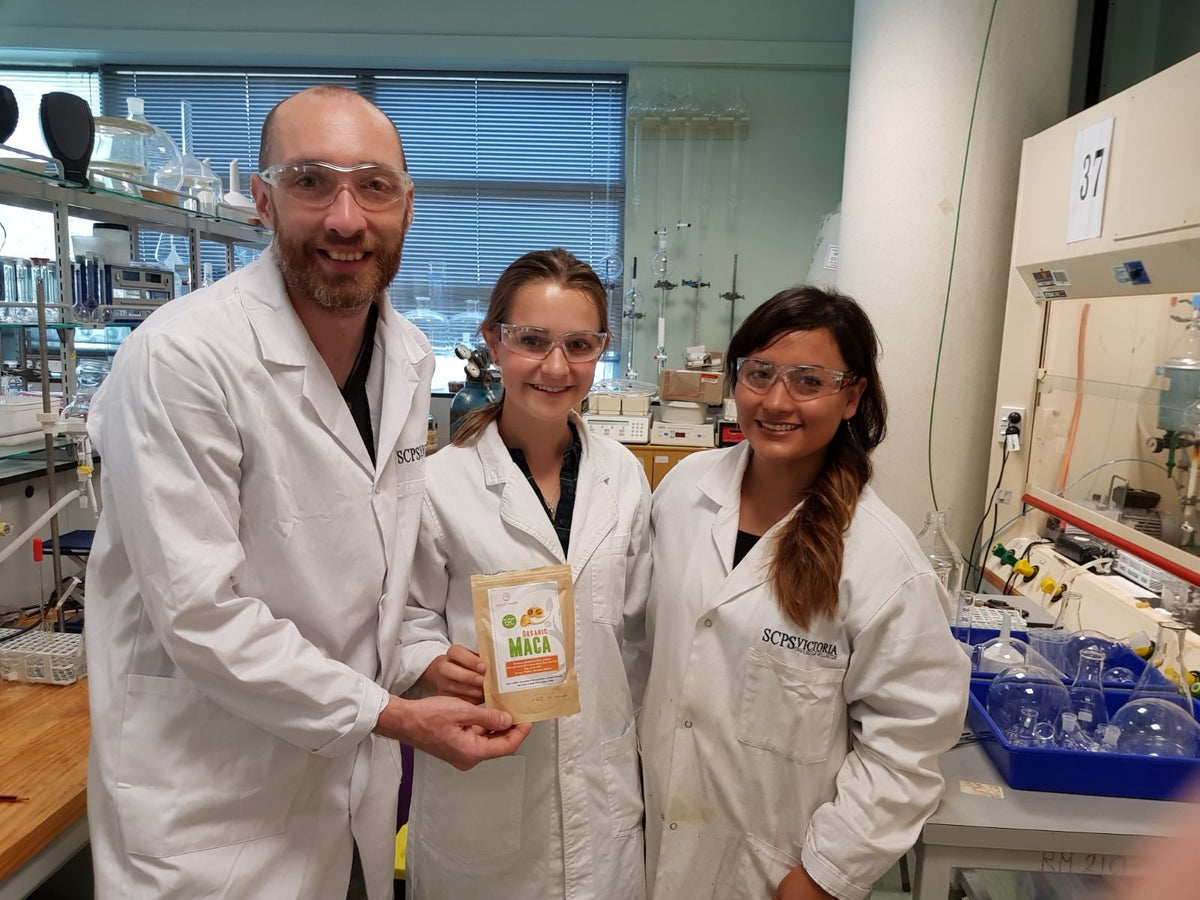
Dr Corin Storkey is a co-founder of Seleno Health and co-supervised the University of Otago maca research programme described in this article. Browse more of his articles in our maca blog.
This article is for educational purposes and describes pre-clinical laboratory research. It is not medical advice, and statements have not been evaluated as claims that maca prevents, treats or cures any disease.


